

In today’s fast-paced world, the importance of remaining hydrated frequently is overlooked, overshadowed by the pressures of our daily routines. However, what many people don’t realize is that not drinking enough water can have serious implications for heart health. In addition to just experiencing thirst or fatigued, inadequate hydration can initiate a cascade of physiological changes that may elevate the likelihood of heart disease. In spritzer mineral water will explore some surprising connections between not staying hydrated and heart function, shedding light on why keeping optimal hydration is essential for overall well-being.
As we delve into this topic, we will discuss how various sources of hydration, such as spring water and high-pH water, play a part in supporting cardiovascular health. Between the ease of water dispensers to the rising popularity of bottled drinking water, obtaining quality drinking water is more accessible than ever. However, understanding the specific benefits of proper hydration can empower individuals to make informed choices about their water supply, ultimately supporting a healthier heart.
Grasping Dehydration
Dehydration happens when the body loses more fluids than it consumes, interrupting the balance required for healthy body functions. When hydration levels drop, the blood volume decreases, which can lead to problems in cardiovascular health. Poor fluid intake can make the heart to work harder to pump blood, potentially leading to increased heart rate and increased blood pressure. These changes put extra strain on the cardiovascular system, which can be particularly concerning for individuals with existing heart conditions.
One unexpected aspect of dehydration is its impact on the body's mineral balance. Essential minerals such as sodium and potassium play crucial roles in maintaining heart function and blood pressure. When dehydrated, the level of these electrolytes can become imbalanced, which may further exacerbate heart issues. Drinking mineral water can provide a source of valuable electrolytes that support heart health, especially during instances when hydration is critical.
Having ample and safe drinking water is crucial for avoiding dehydration. Regardless of whether it is obtained from water dispensers, bottled water delivery services, or mineral water suppliers, ensuring a consistent supply of safe drinking water is essential. Staying hydrated with safe and appropriate water, such as RO water or alkaline water, can help maintain not just total health but specifically support cardiovascular function.
The Role of Water in Heart Health
H2O plays a key role in ensuring overall health, including the health of the heart and blood vessels. Proper hydration guarantees that the heart can effectively pump blood throughout the body. When the body is dehydrated, blood volume diminishes, which can lead to an increased heart rate and lower oxygen delivery to vital organs. This heightened workload on the heart can lead to cardiovascular strain and possible complications over time.
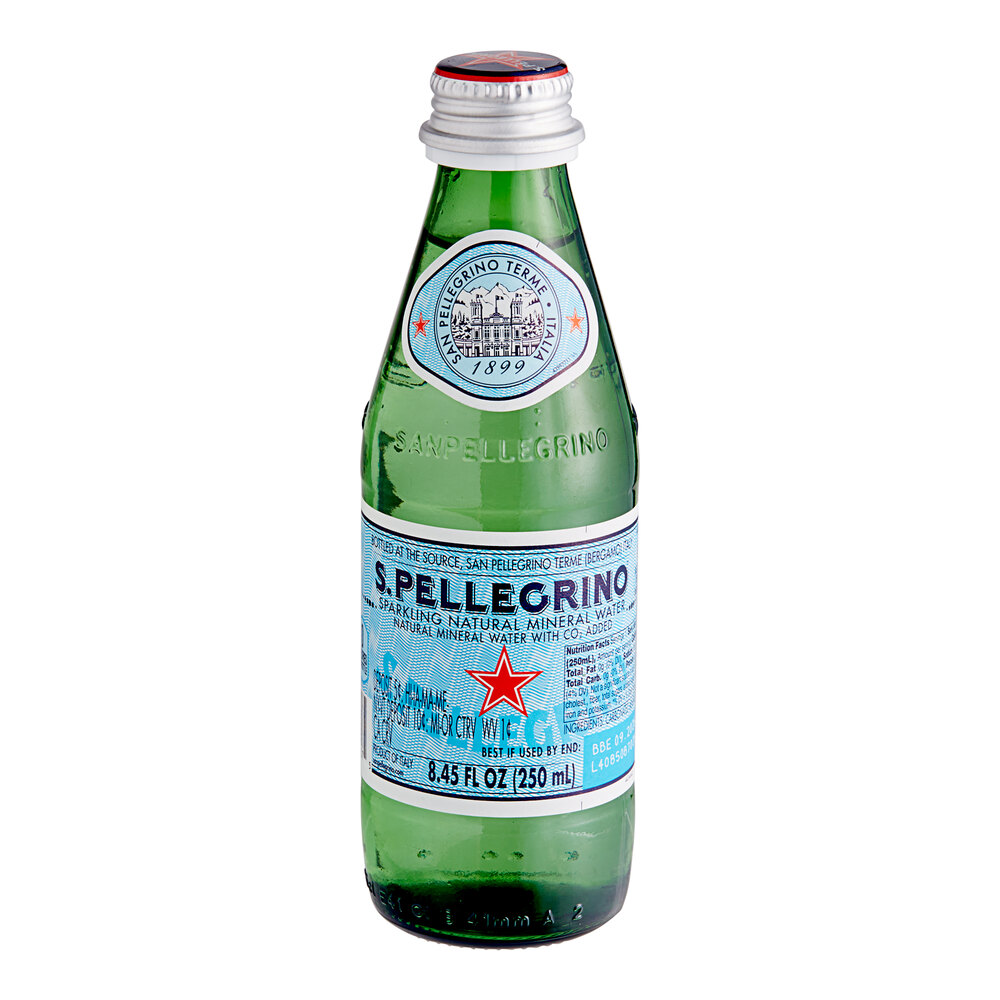
In addition to preserving blood volume, water helps in controlling blood pressure. Dehydration can cause the body to release hormones that constrict blood vessels, which can increase blood pressure and put additional stress on the heart. By consuming sufficient amounts of drinking water, individuals can help keep optimal blood pressure levels, potentially reducing the risk of heart-related issues.
Minerals, found abundantly in mineral water, also play an essential part in heart health. These minerals help transmit electrical signals that control heartbeats. A well-hydrated body, supported by regular consumption of mineral water or adequately filtered water from fountains, helps preserve the equilibrium of electrolytes, promoting a consistent heartbeat and reducing the chance of arrhythmias. Thus, staying hydrated is not only crucial for general well-being but also for ensuring a healthy heart.
Varieties of H2O: What’s the Optimal?
Choosing the right kind of water can significantly impact hydration and, therefore, heart wellness. Mineral H2O is a popular option as it holds vital minerals like calcium and magnesium, which can support cardiovascular performance. Such minerals help control blood pressure and muscle activity, including the heart. Drinking mineral H2O regularly may provide not only moisture but also added nutritional benefits that enhance overall heart well-being.
Alkaline H2O has gained focus for its possible health advantages, including its capacity to neutralize pH imbalance in the body. Advocates claim that alkaline H2O can improve hydration and aid in detoxification. While scientific studies on its impact are limited, staying well-hydrated with water that maintains your body's pH balance can be beneficial, especially for sustaining healthy blood flow and minimizing strain on the cardiovascular system.
For people seeking ease, bottled water and H2O dispensers offer easy access to liquid intake. Bottled drinking water is widely available and convenient, while water dispenser systems can provide a steady supply of hydration at home or in the office. It is crucial to ensure that the water delivered meets safety and quality requirements to truly enhance heart health. Whether you are choosing bottled H2O for its convenience or mineral H2O for its mineral content, making wise choices about liquid intake is vital for promoting cardiovascular health.
Water Access and Availability
Access to pure drinking water is crucial for supporting good health, including heart health. In many areas, however, the supply of water can be inconsistent. Reliable water suppliers play a critical role in ensuring that both homes and businesses have adequate access to clean drinking water. This includes choices like bottled drinking water or water for dispensers, which can offer a convenient solution for hydration.
The growing popularity of mineral water has highlighted the significance of varied water options. Mineral water delivery services provide not just hydration but also vital minerals that may enhance overall health. With the growing trend of alkaline water, consumers are becoming more mindful of the effects of different water types on their fitness and cardiovascular health. Understanding these alternatives can inspire people to focus on their hydration and make informed choices about their water consumption.
For those who rely on water distribution services, accessibility can greatly affect hydration habits. Steady access to bottled water or a reliable water dispenser system can motivate people to drink more water throughout the day. With heightened awareness of the links between hydration and heart health, having a reliable source of quality drinking water is more important than ever for promoting overall wellness.
Conclusion: Hydration for Vitality
Maintaining adequately hydration is important for preserving overall health, especially for heart health. Dehydration can have surprising effects on various bodily functions, including blood circulation and the regulation of blood pressure. When the body is short on sufficient water, the heart must work harder to pump blood, increasing strain on the cardiovascular system and possibly leading to chronic health issues.
Integrating proper hydration into everyday life can be easy and accessible. It could be via a dependable water dispenser at home, convenient bottled water delivery, or simply having a drinking water bottle nearby, providing a steady supply of clean and refreshing water can enhance better hydration. Additionally, considering options like mineral water and alkaline water may provide additional benefits, equilibrating essential minerals that benefit heart function.
By focusing on hydration, individuals can take preventive steps to protect their cardiovascular health. Consistently consuming drinking water and having access to a consistent water supply can both enhance physical performance but also contribute to overall vitality and well-being. Choosing choices about hydration can lead to enduring benefits for both the heart and body.